
Lower Blepharoplasty
Glen Carbon, IL

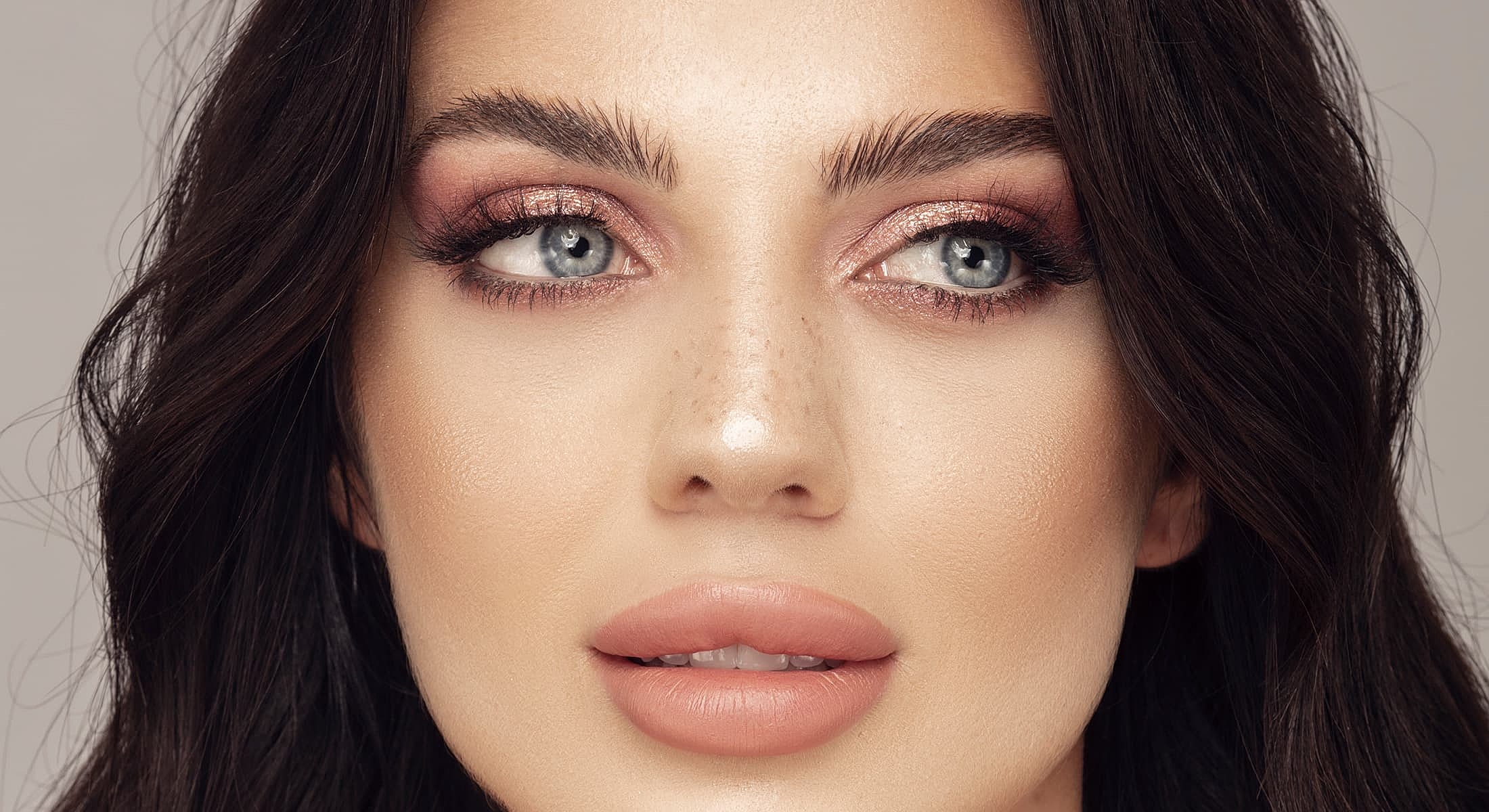
Lower blepharoplasty helps smooth the under-eye area when puffiness, loose skin, or lower eyelid changes make you look tired. At MidAmerica Plastic Surgery & Medical Spa, board-certified plastic surgeon Dr. Ryan Diederich performs his Glen Carbon lower blepharoplasty with a measured approach. He's here to provide you with a rested appearance that still looks like you, not a tight or hollow look.

Lower blepharoplasty is a surgical procedure that improves the lower eyelid by addressing under-eye bags, excess fat, loose skin, and sagging skin beneath the eyes. Depending on your anatomy, Dr. Diederich may remove excess skin, reposition fat, improve support, or smooth the transition between your lower lids and cheeks.
Lower blepharoplasty in Glen Carbon treats cosmetic concerns that make the under-eye area look puffy, heavy, or aged.


Our Premier And Wellness Members enjoy discounts, perks, and more. Sign up today!

Lower blepharoplasty focuses on the lower eyelid and the surrounding under-eye area. The procedure can refine the lower lid itself, reduce under-eye bags, and improve the transition from the lower eyelid into the cheek.
For patients with hollowness or shadowing, Dr. Diederich may discuss repositioning fat or adding fat grafting to help create a smoother contour. If the upper and lower eyelids both contribute to a tired appearance, upper blepharoplasty may also be recommended.
With lower blepharoplasty Glen Carbon patients can make their eyes look smoother and more rested without changing the character of their face. The best results come from treating the actual cause of the problem, rather than simply removing tissue.

Lower blepharoplasty may be right for healthy individuals bothered by under-eye bags, loose skin, or puffiness that does not respond to skin care or non-surgical treatments. Good candidates have realistic expectations and understand that eyelid lifts can improve anatomy, but natural aging will continue.
Lower blepharoplasty may not be recommended if you have untreated eye diseases, severe dry eyes, a poor healing risk, or medical concerns that make surgery unsafe. Tell Dr. Diederich about your medical history, current medications, contact lenses, and any supplements before surgery.
Lower blepharoplasty is performed in the operating room under general anesthesia. Once you are asleep and comfortable, Dr. Diederich begins with the incision approach selected during your consultation. The technique depends on what needs correction: excess fat, loose skin, lower eyelid laxity, or a combination of concerns.
For some patients, the incision is placed just beneath the lower lash line. This approach allows Dr. Diederich to remove excess eyelid skin, refine the lower lid, and address skin laxity directly. For others, a transconjunctival blepharoplasty may be used, with the incision placed inside the lower eyelid. This approach can address excess fat without an external skin incision.
Once the incision is made, Dr. Diederich addresses the fat pads that contribute to under-eye bags or puffiness. Depending on your case, a small amount of excess fat is either removed or repositioned to soften the transition between the lower eyelid and cheek.
If loose skin or sagging skin is part of the concern, Dr. Diederich may remove a conservative amount of excess skin. If lower eyelid support needs improvement, additional tightening may be performed to help maintain a stable, natural lower lid position. This step is planned carefully because the lower eyelid needs enough support to heal well and look natural.
After the lower eyelid has been refined, the incisions are closed with careful technique. If the incision is placed beneath the lash line, sutures are positioned to support clean healing and a discreet scar. If the incision is inside the eyelid, there is no visible external incision.
After surgery, you’ll be monitored as you wake from anesthesia. You can expect swelling, bruising, mild discomfort, and temporary tightness around the lower eyelids. Before you go home, our team will review your aftercare instructions, including how to use cold compresses, keep your head elevated, and care for the area as it heals.
Recovery is patient-dependent, but most patients return to public-facing activities in about two weeks. Swelling and bruising are expected and usually peak during the first few days. Mild discomfort is common and can be managed with medication, cold compresses, and keeping your head elevated.
Most lower blepharoplasty patients feel comfortable being seen in public after about two weeks. Bruising and swelling continue to fade, and makeup may be used once Dr. Diederich clears you.
Light walking is encouraged soon after surgery, but strenuous activity, bending, heavy lifting, and exercise should wait until you are cleared. You may also need to avoid contact lenses for a short time while the eyelid heals.
Use cold compresses as directed, keep your head elevated, avoid rubbing your eyes, and use prescribed eye drops if provided. If external stitches are used, they are usually removed around the first week.

Patients typically see early improvement once swelling starts to fade, with results continuing to refine over the next several weeks. The lower eyelid area is delicate, so the final result takes time to settle.
Typical timeline:
Lower blepharoplasty results are long-lasting. Sun exposure, skin quality, lifestyle, and natural aging can affect how the area changes over time.
Lower blepharoplasty and upper blepharoplasty are both eyelid surgery procedures, but they treat different concerns.
Procedure | Best For | What It Treats |
|---|---|---|
| Lower Blepharoplasty | Under-eye bags, puffiness, lower eyelid skin | Excess fat, loose skin, lower eyelid laxity, under-eye shadows |
| Upper Blepharoplasty | Heavy upper lids, droopy eyelids, excess upper eyelid skin | Redundant upper eyelid skin, upper lid heaviness, impaired vision |
| Combined Blepharoplasty | Aging changes in both upper and lower eyelids | A more complete eye-area refresh with one surgical plan |
Many patients need one procedure, not both. If your main concern is puffiness beneath the eyes, lower eyelid surgery may be enough. If your eyes feel hooded or your upper lids seem to crowd your lashes, upper blepharoplasty may be the better fit. During your consultation, Dr. Diederich will evaluate your upper and lower eyelids together so the plan treats the area causing the concern without overcorrecting the rest.

Dr. Ryan Diederich is a board-certified plastic surgeon at MidAmerica Plastic Surgery & Medical Spa in Glen Carbon, IL, where he performs both aesthetic and reconstructive plastic surgery. If under-eye bags, loose skin, or a tired look keep showing up even when you feel rested, a consultation is the best place to sort out what’s actually causing it. Schedule online or call our office.

Dr. Diederich is a Southern Illinois native realizing his dream of giving back to the community. He helps patients feel and look their best with his surgical skills and compassionate care.
Lower blepharoplasty cost varies based on your anatomy, surgical technique, anesthesia, facility needs, and whether other procedures are combined. You will receive a detailed quote during your consultation.
Most patients describe mild discomfort, tightness, or soreness rather than severe pain. Cold compresses, medication, and keeping your head elevated can help reduce swelling and discomfort.
Lower blepharoplasty can improve dark circles caused by under-eye bags, shadowing, or fat position. It may not fully correct pigmentation or skin color changes.
Lower blepharoplasty can remove excess skin and improve lower eyelid contour, but it may not erase every fine line. Skin tightening or resurfacing may be recommended for texture concerns.
Most patients return to public-facing activities in about two weeks. Swelling can continue to improve for several more weeks.
Risks include swelling, bruising, dry eyes, infection, scarring, lower lid changes, temporary blurred vision, and anesthesia risks. Serious symptoms should be reported right away.
Yes. Many patients combine lower blepharoplasty with upper blepharoplasty when both upper and lower eyelids contribute to a tired appearance.